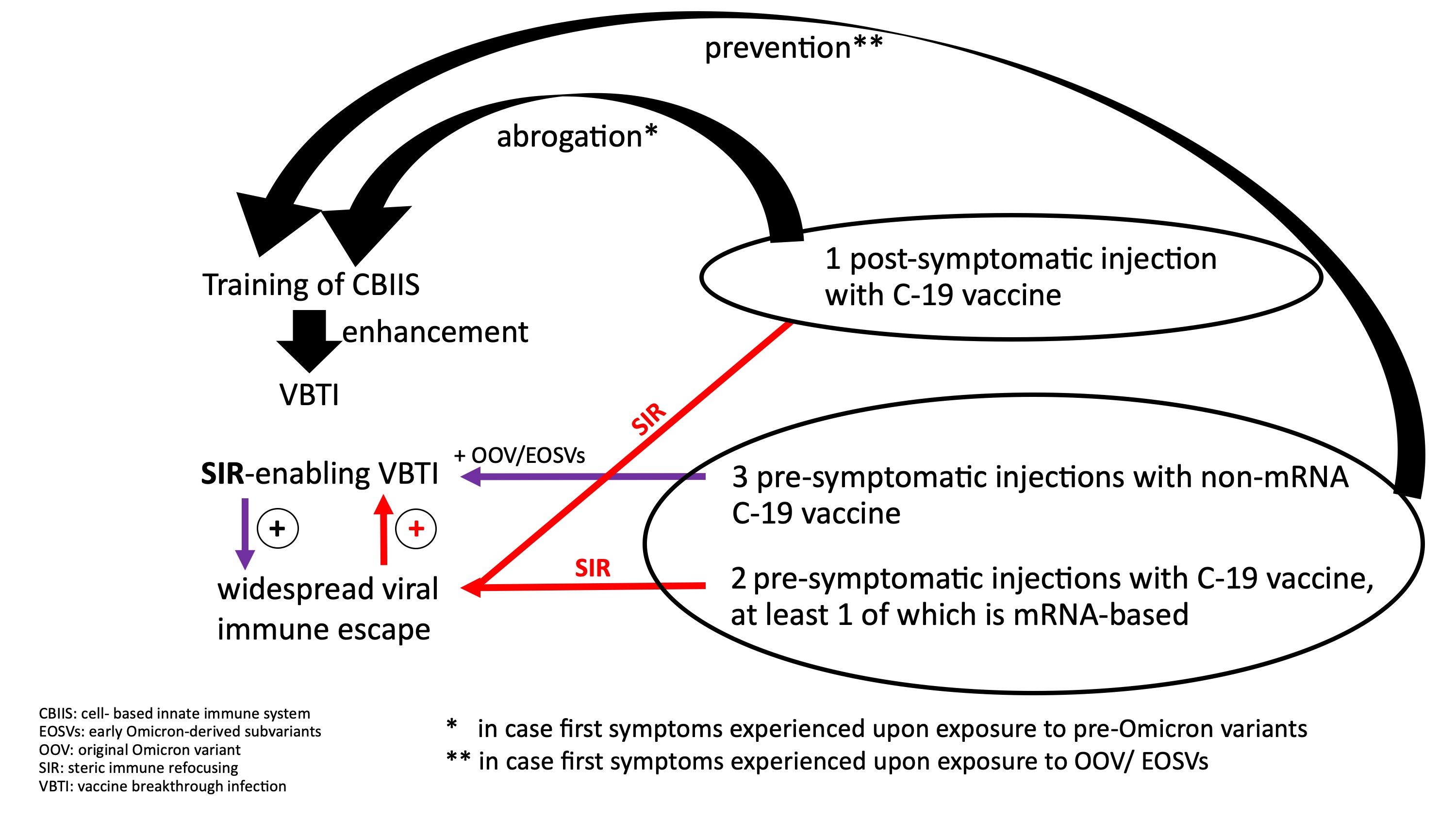
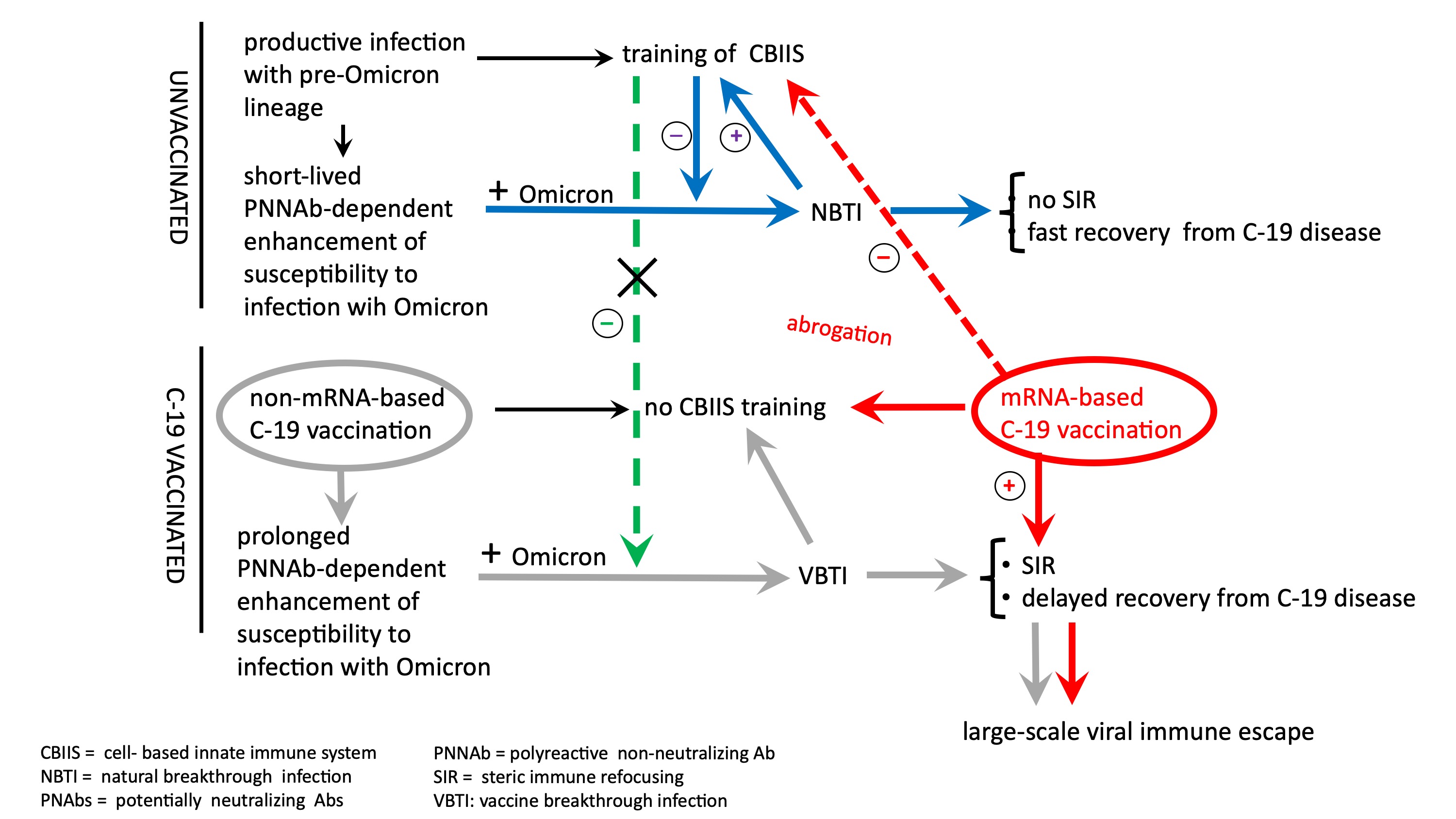
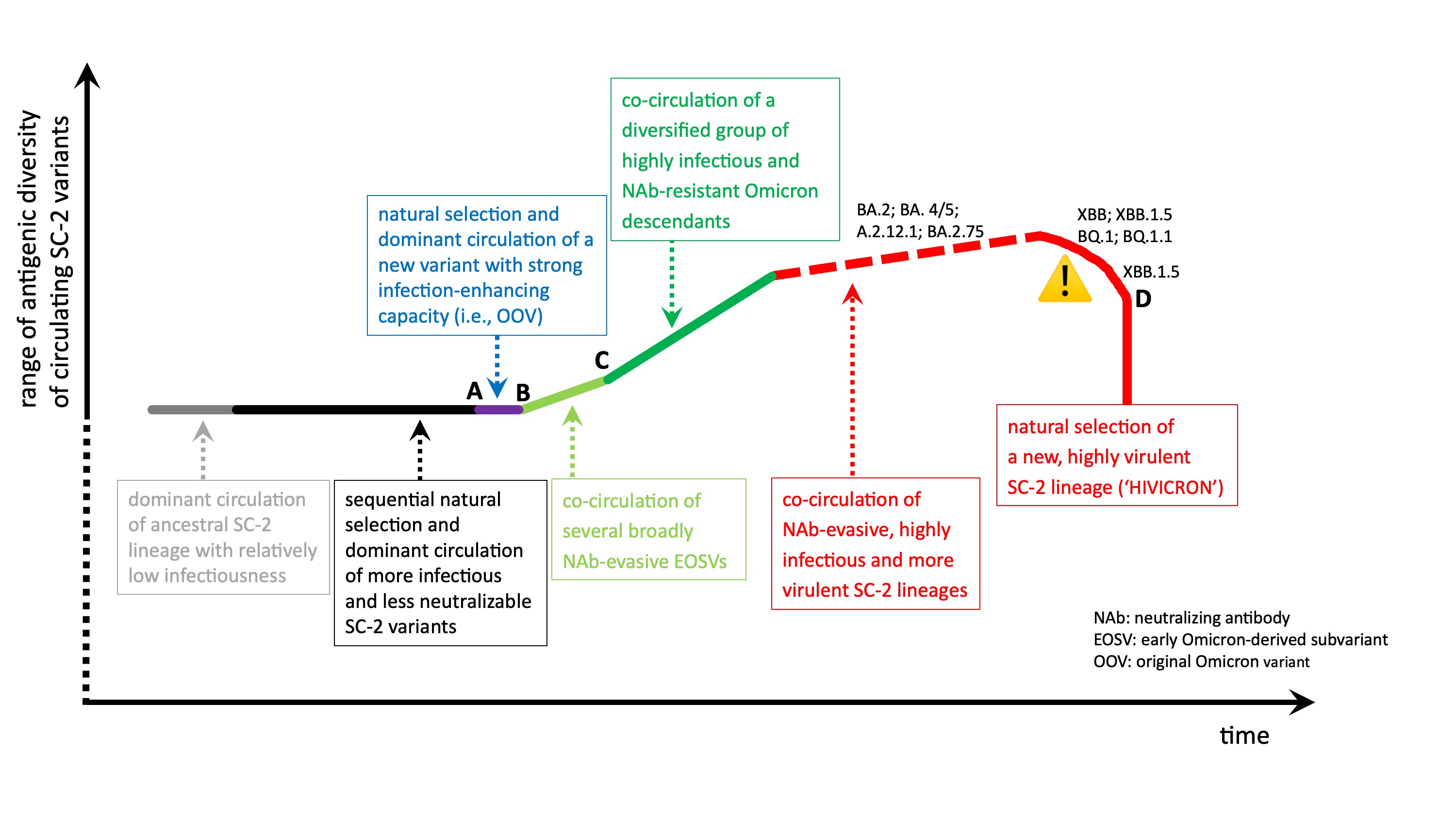
Fig. 1: The Impact of Vaccination On Immune Escape and CBIIS Training.
_____________________
Fig.2
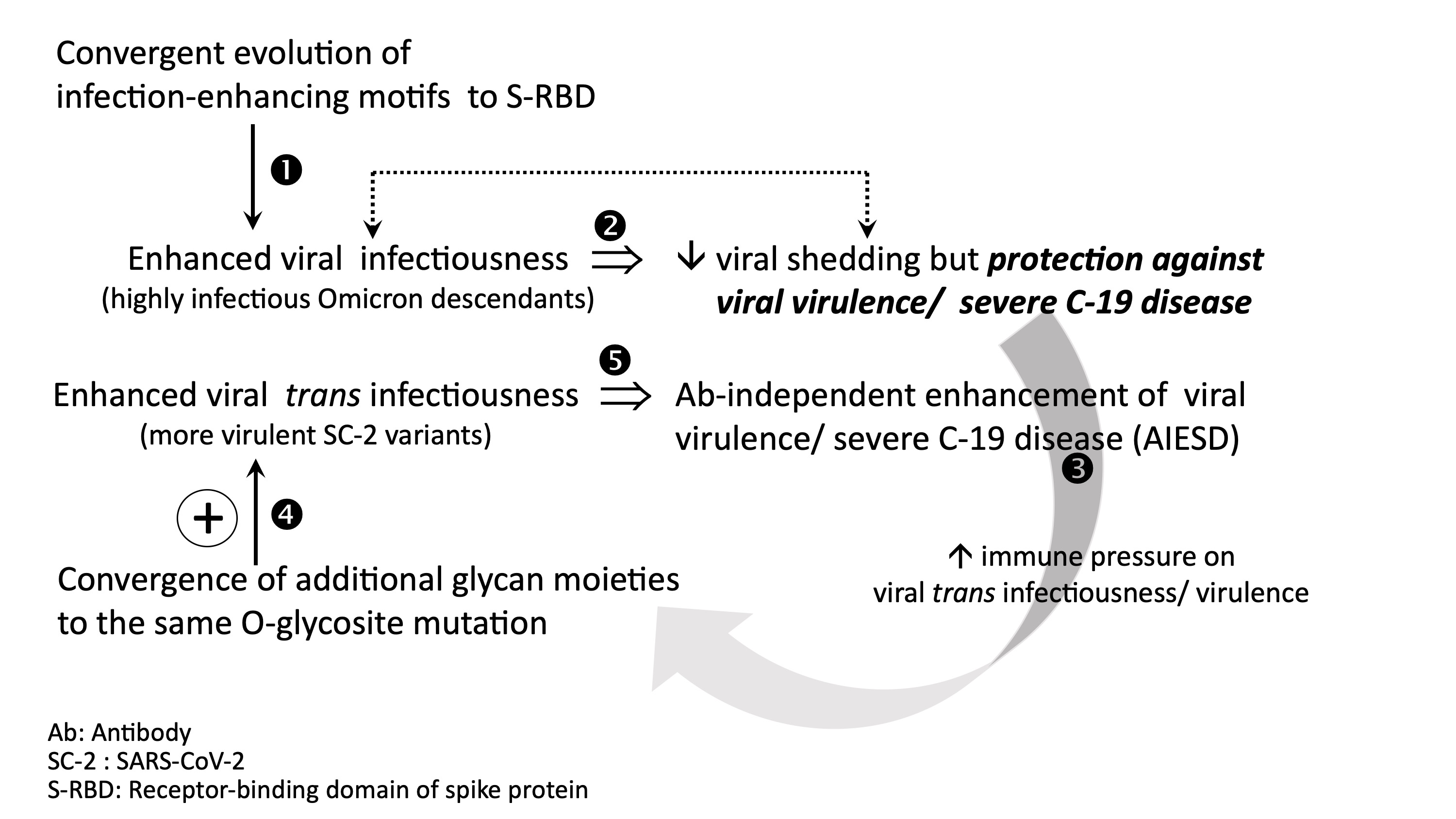
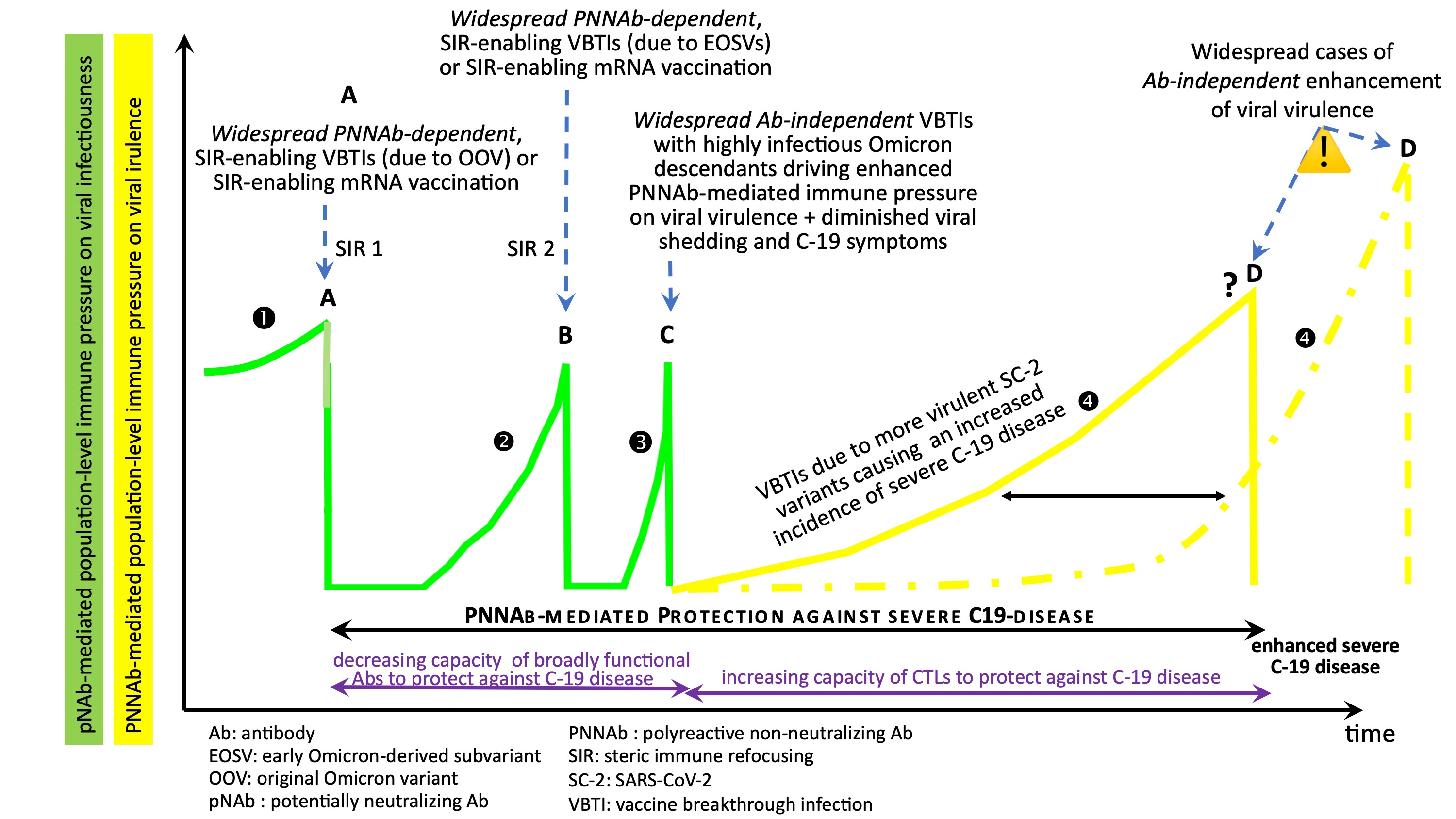
Fig. 2: Exposure to highly infectious Omicron descendants results in diminished viral shedding and a gradual increase in PNNAb-mediated immune pressure on viral virulence.
_____________________
Fig. 3
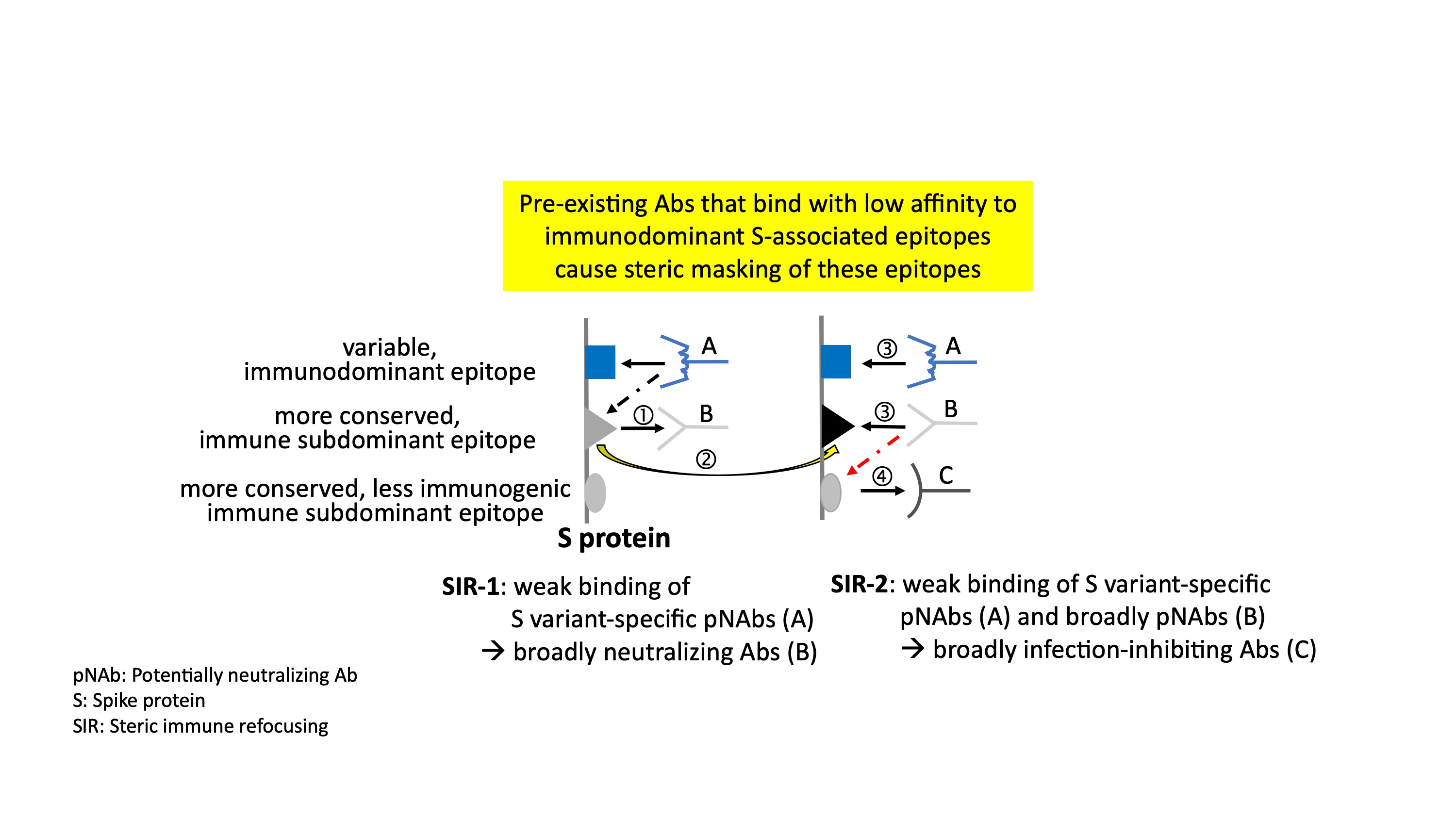
Fig.3: SIR-enabling VBTIs drive large-scale viral immune escape in vaccinees by reorienting the immune response to S-associated antigenic sites that prime broadly functional antibodies (Abs) with low affinity.
_____________________
Fig.4
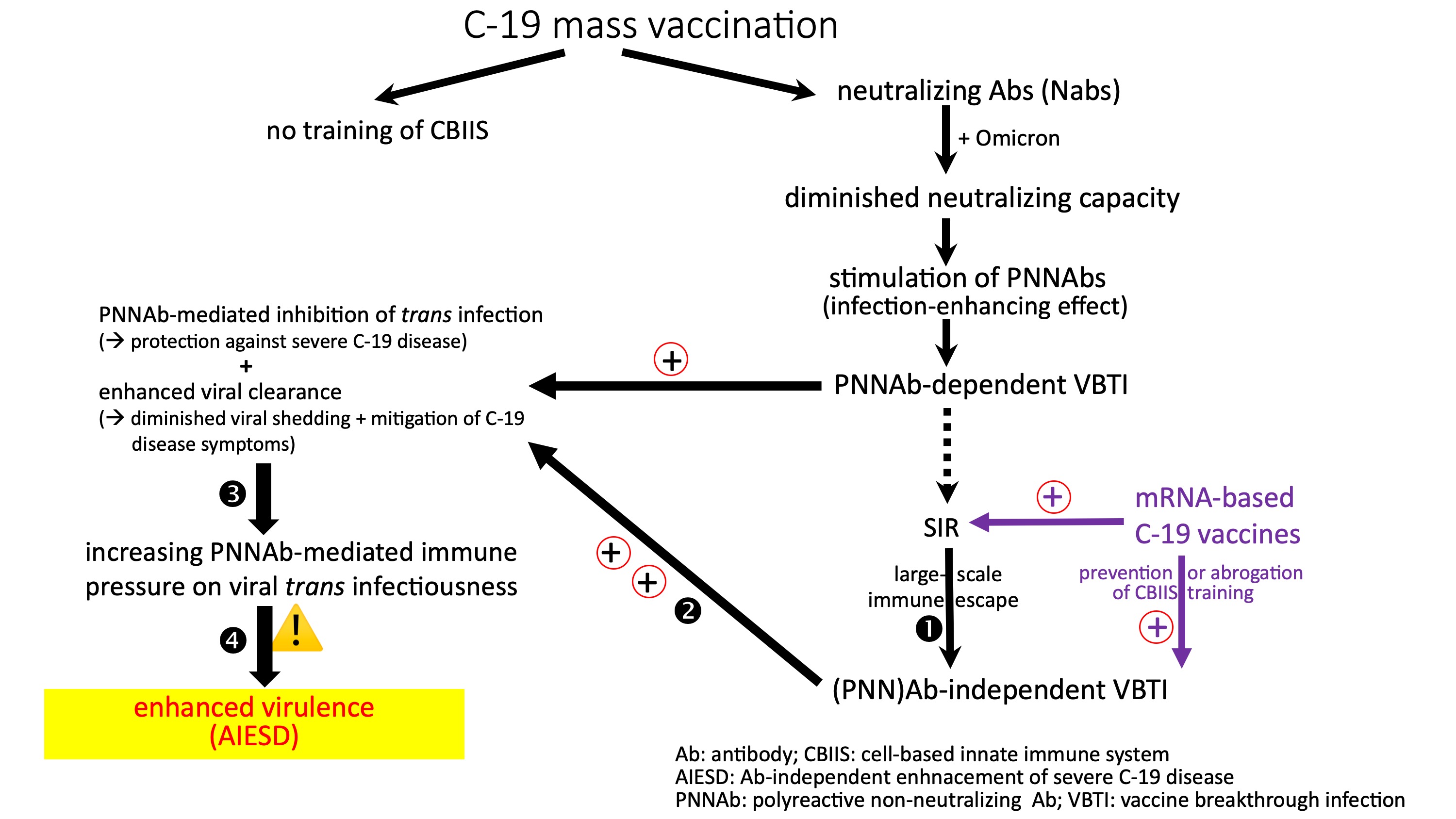
Fig. 4: PNNAb-mediated enhancement of viral infectiousness triggers PNNAb-dependent BTI in vaccinees and may thereby trigger SIR.
_____________________
Fig. 5
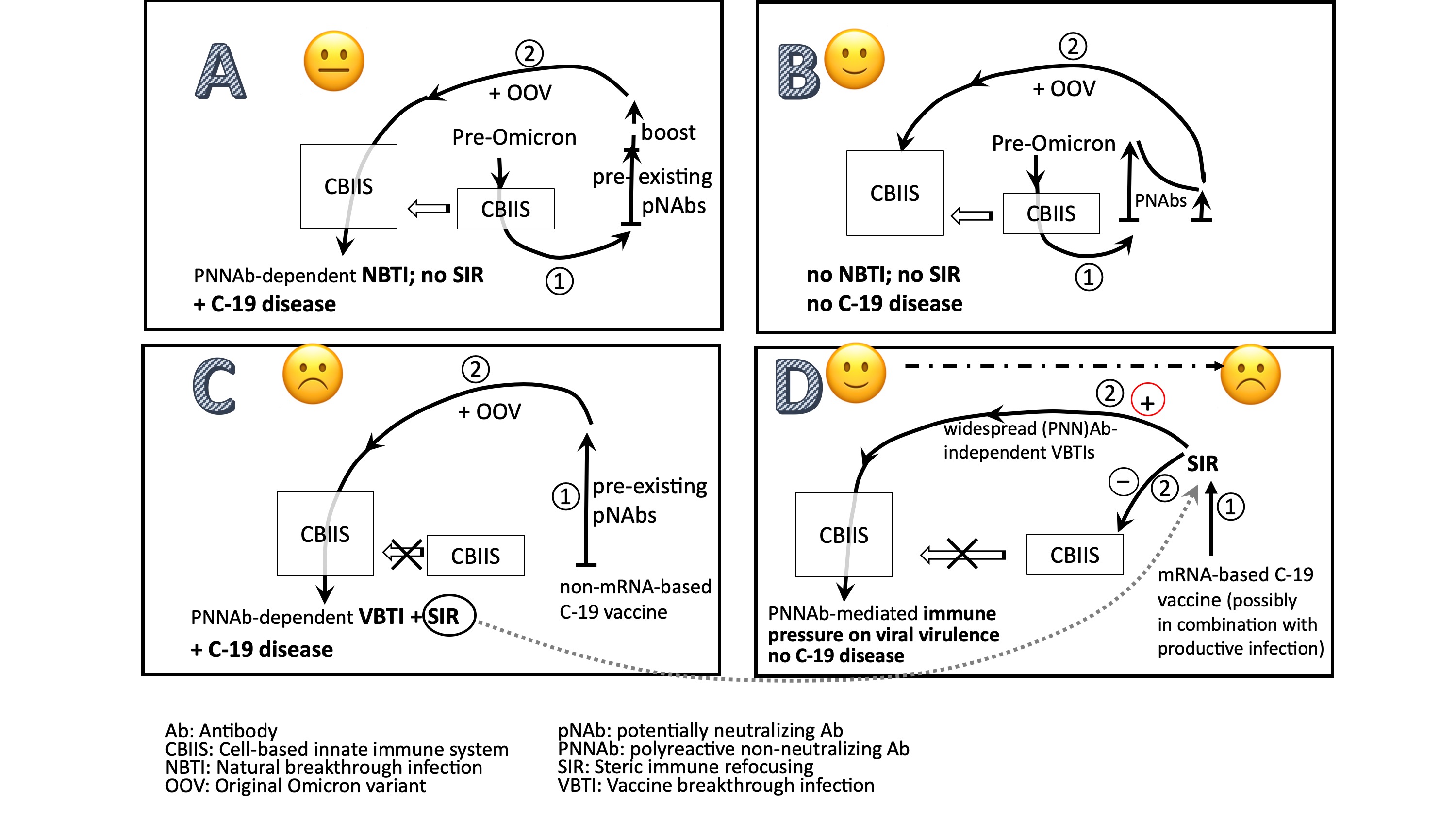
Fig. 5: Trained CBII in the unvaccinated (panels A and B) but not in the vaccinated (panels C and D) prevents BTIs from triggering SIR.
_____________________
Fig. 6
Fig. 6: Reverse molecular epidemiology applied to highly vaccinated populations.
_____________________
Fig. 7
Fig. 7: Productive infection with pre-Omicron lineages results in training of the CBIIS and a short-lived increase in pNAb titers.
_____________________
Fig. 8
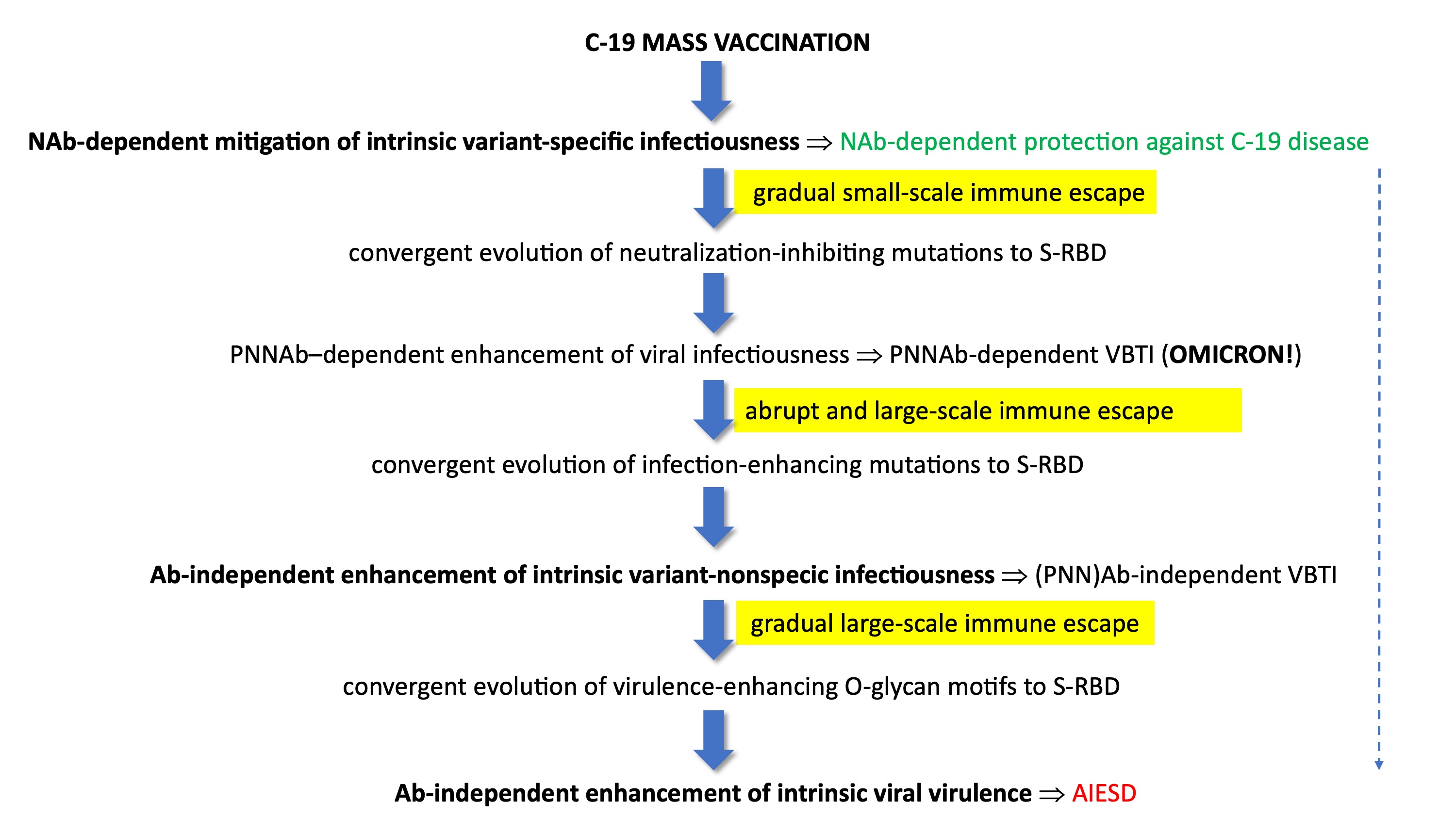
Fig. 8: Flow chart depicting the evolutionary dynamics of immune escape as initially triggered by mass vaccination.
_____________________
Fig. 9
Fig. 9: Population-level immune pressure on more conserved, immunodominant S-associated epitopes promotes fast and large-scale immune escape.
_____________________
Fig. 10
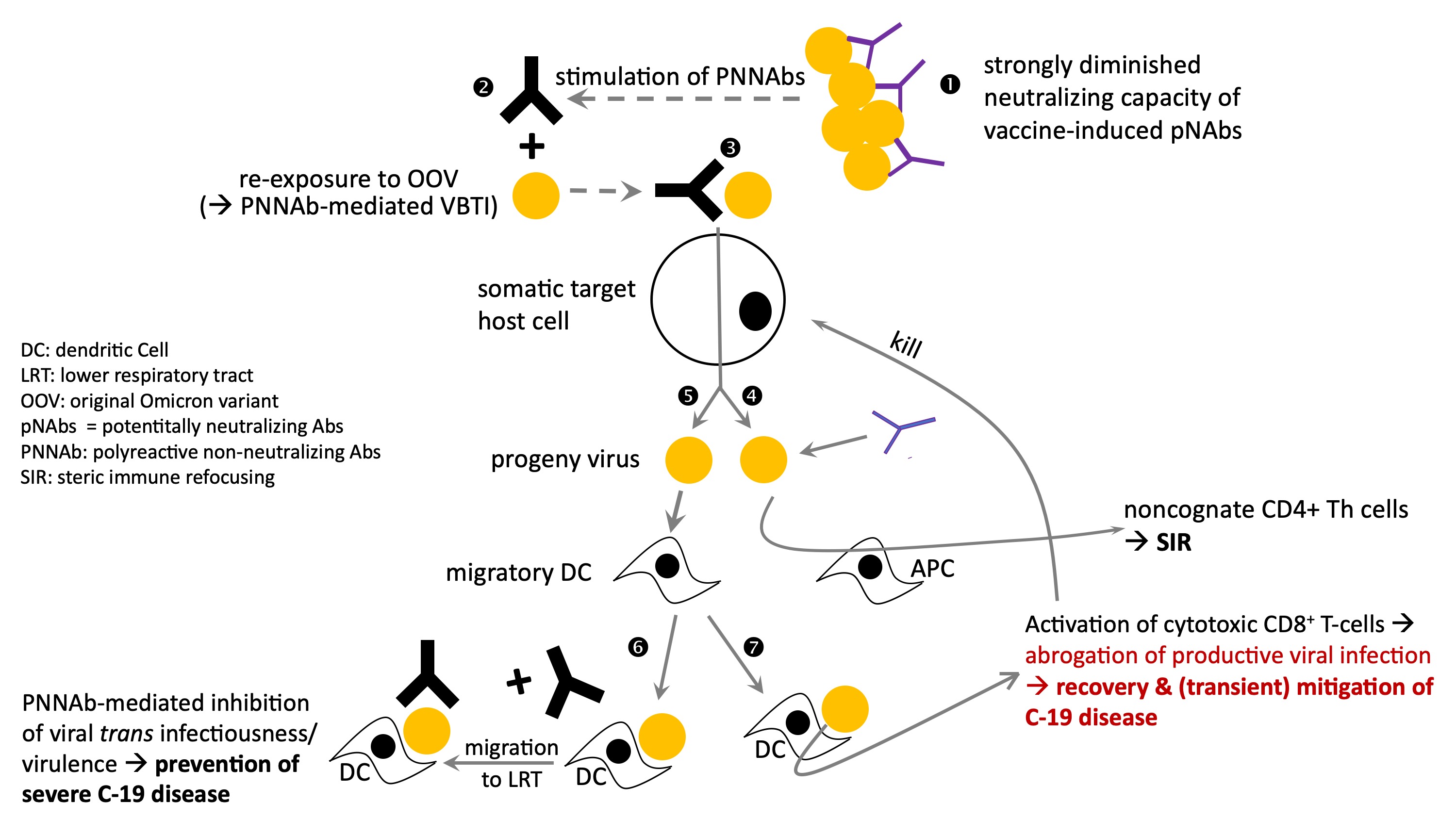
Fig. 10: Pathogenesis of PNNAb-dependent VBTI.
_____________________
Fig. 11
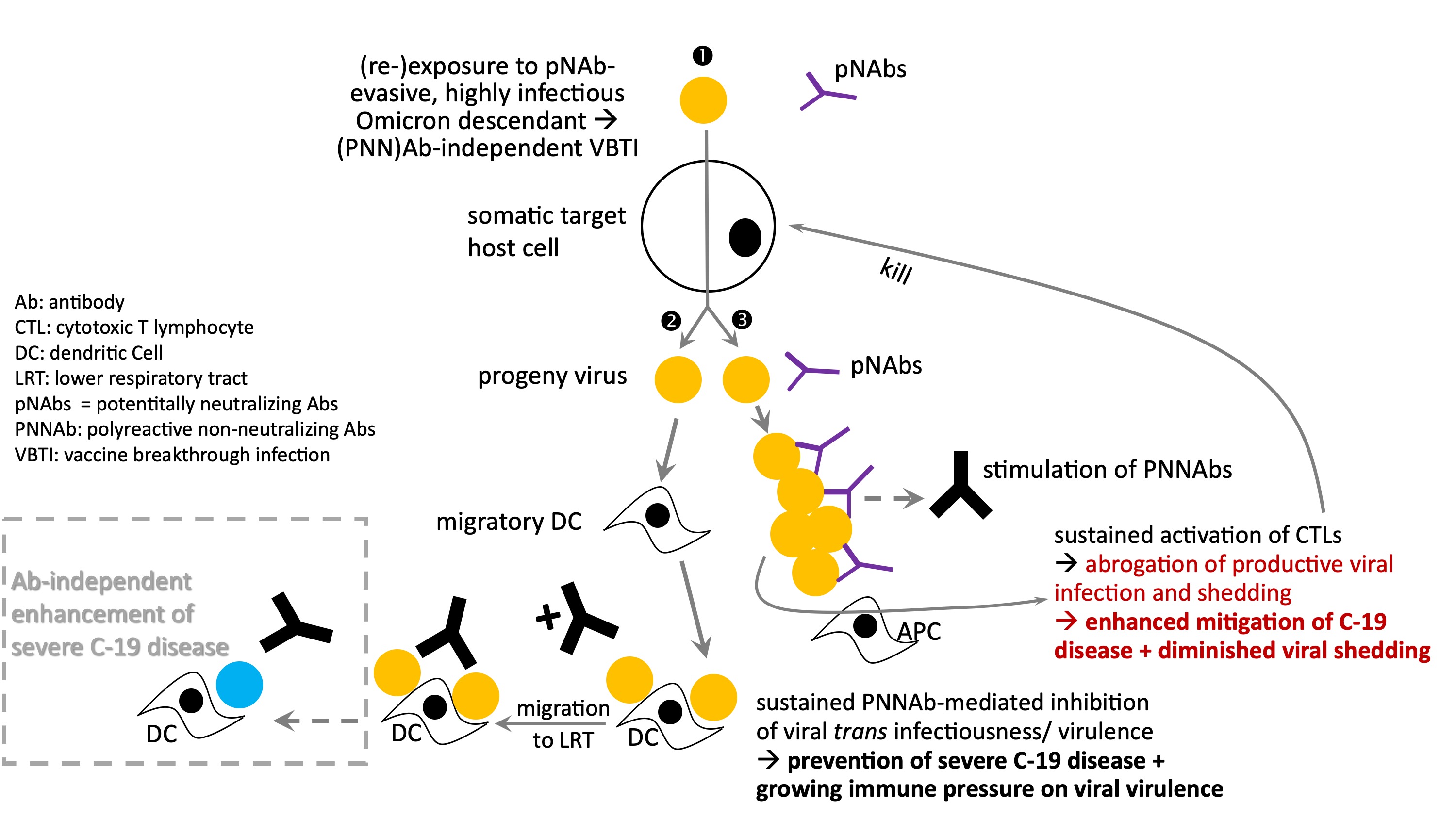
Fig. 11: Pathogenesis of (PNN)Ab-independent VBTI.
_____________________
Fig. 12
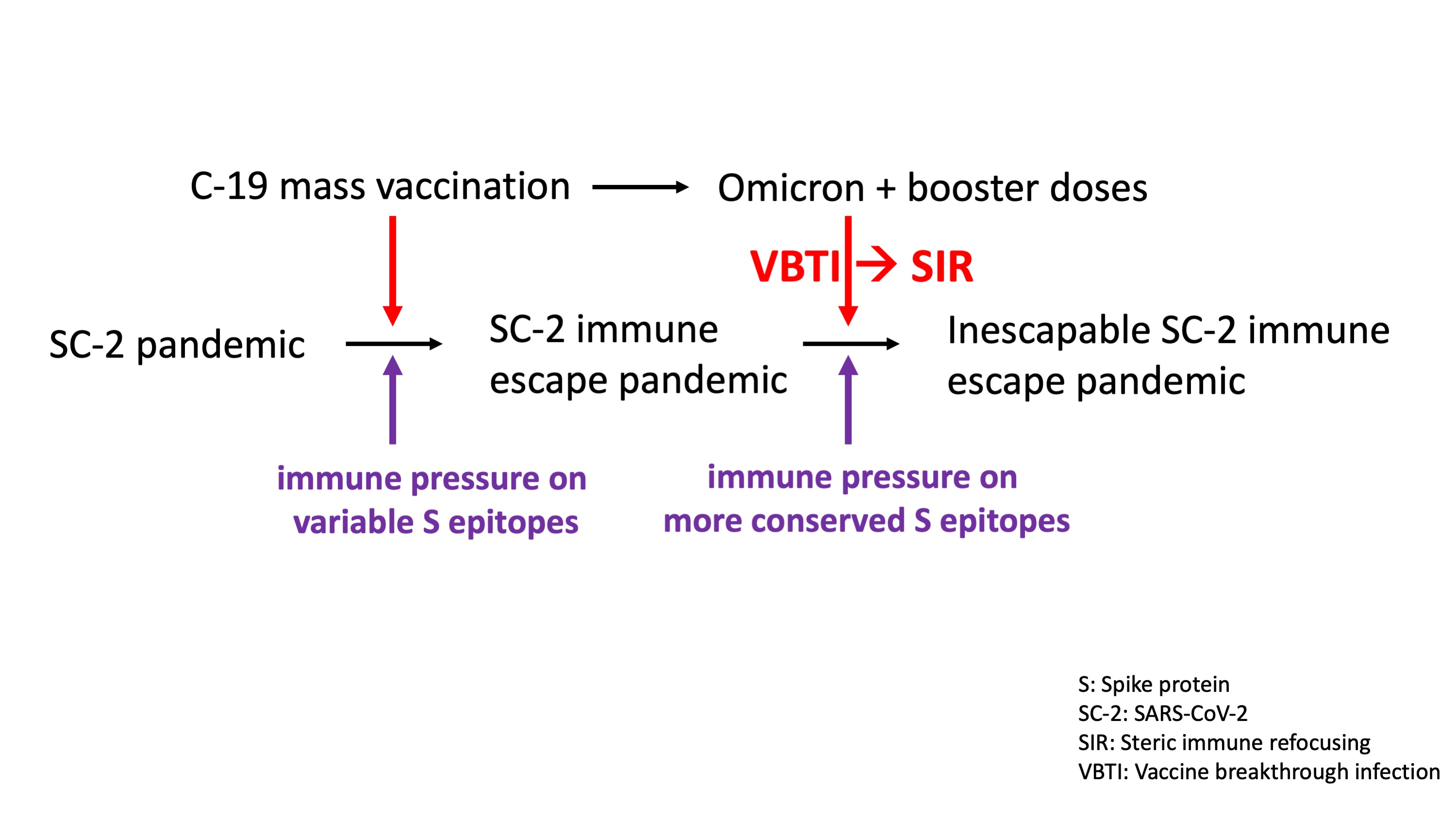
Fig. 12: How C-19 mass vaccination during the SC-2 pandemic turned a natural pandemic into an inescapable SC-2 immune escape pandemic
References associated with the book
Poor virus-neutralizing capacity in highly C-19 vaccinated populations could soon lead to a fulminant spread of SARS-CoV-2 super variants that are highly infectious and highly virulent in vaccinees while being fully resistant to all existing and future spike-based C-19 vaccines 👉🏻
Kulkarni R. (2019). Antibody-Dependent Enhancement of Viral Infections. Dynamics of Immune Activation in Viral Diseases, 9–41. https://doi.org/10.1007/978-981-15-1045-8_2 https://www.ncbi.nlm.nih.gov/pmc/articles/PMC7119964/
Liu Y, Soh WT, Kishikawa JI, Hirose M, Nakayama EE, Li S, Sasai M, Suzuki T, Tada A, Arakawa A, Matsuoka S, Akamatsu K, Matsuda M, Ono C, Torii S, Kishida K, Jin H, Nakai W, Arase N, Nakagawa A, Matsumoto M, Nakazaki Y, Shindo Y, Kohyama M, Tomii K, Ohmura K, Ohshima S, Okamoto T, Yamamoto M, Nakagami H, Matsuura Y, Nakagawa A, Kato T, Okada M, Standley DM, Shioda T, Arase H. An infectivity-enhancing site on the SARS-CoV-2 spike protein targeted by antibodies. Cell. 2021 Jun 24;184(13):3452-3466.e18. doi: 10.1016/j.cell.2021.05.032. Epub 2021 May 24. PMID: 34139176; PMCID: PMC8142859. https://www.ncbi.nlm.nih.gov/pmc/articles/PMC8142859/
Li, D., Edwards, R. J., Manne, K., Martinez, D. R., Schäfer, A., Alam, S. M., Wiehe, K., Lu, X., Parks, R., Sutherland, L. L., Oguin, T. H., 3rd, McDanal, C., Perez, L. G., Mansouri, K., Gobeil, S. M. C., Janowska, K., Stalls, V., Kopp, M., Cai, F., Lee, E., … Saunders, K. O. (2021). In vitro and in vivo functions of SARS-CoV-2 infection-enhancing and neutralizing antibodies. Cell, 184(16), 4203–4219.e32. https://doi.org/10.1016/j.cell.2021.06.021 https://www.ncbi.nlm.nih.gov/pmc/articles/PMC8232969/
Yahi, N., Chahinian, H., & Fantini, J. (2021). Infection-enhancing anti-SARS-CoV-2 antibodies recognize both the original Wuhan/D614G strain and Delta variants. A potential risk for mass vaccination?. The Journal of infection, 83(5), 607–635. https://doi.org/10.1016/j.jinf.2021.08.010 https://pubmed.ncbi.nlm.nih.gov/34384810/
Wu, L., Zhou, L., Mo, M. et al. SARS-CoV-2 Omicron RBD shows weaker binding affinity than the currently dominant Delta variant to human ACE2. Sig Transduct Target Ther 7, 8 (2022). https://doi.org/10.1038/s41392-021-00863-2 https://www.nature.com/articles/s41392-021-00863-2
Tian, W., Li, D., Zhang, N. et al. O-glycosylation pattern of the SARS-CoV-2 spike protein reveals an “O-Follow-N” rule. Cell Res 31, 1123–1125 (2021). https://doi.org/10.1038/s41422-021-00545-2 https://www.nature.com/articles/s41422-021-00545-2
Watanabe, Y., Bowden, T. A., Wilson, I. A., & Crispin, M. (2019). Exploitation of glycosylation in enveloped virus pathobiology. Biochimica et biophysica acta. General subjects, 1863(10), 1480–1497. https://doi.org/10.1016/j.bbagen.2019.05.012 https://www.ncbi.nlm.nih.gov/pmc/articles/PMC6686077/
Shajahan, A., Supekar, N.T., Gleinich, A.S., Azadi, P., (2020) Deducing the N- and O-glycosylation profile of the spike protein of novel coronavirus SARS-CoV-2. Glycobiology, , Volume 30, Issue 12, December 2020, Pages 981–988 https://www.ncbi.nlm.nih.gov/pmc/articles/PMC7239183/pdf/cwaa042.pdf)
Patrono, L.V., Vrancken, B., Budt, M. et al.Archival influenza virus genomes from Europe reveal genomic variability during the 1918 pandemic. Nat Commun 13, 2314 (2022). https://doi.org/10.1038/s41467-022-29614-9 https://www.nature.com/articles/s41467-022-29614-9
❖ ❖ ❖ Within these 57 literature references, 13-32 are a special list (non-exhaustive) of supportive evidence that Geert Vanden Bossche used to develop and validate his hypothesis in this book.
Quandt, J., Muik, A., Salisch, N., Lui, B. G., Lutz, S., Krüger, K., Wallisch, A. K., Adams-Quack, P., Bacher, M., Finlayson, A., Ozhelvaci, O., Vogler, I., Grikscheit, K., Hoehl, S., Goetsch, U., Ciesek, S., Türeci, Ö., & Sahin, U. (2022). Omicron BA.1 breakthrough infection drives cross-variant neutralization and memory B cell formation against conserved epitopes. Science immunology, 7(75), eabq2427. https://doi.org/10.1126/sciimmunol.abq2427 https://pubmed.ncbi.nlm.nih.gov/35653438/
Wang, Q., Guo, Y., Iketani, S. et al.Antibody evasion by SARS-CoV-2 Omicron subvariants BA.2.12.1, BA.4 and BA.5. Nature 608, 603–608 (2022). https://doi.org/10.1038/s41586-022-05053-w https://www.nature.com/articles/s41586-022-05053-w
Kaku, C. I., Bergeron, A. J., Ahlm, C., Normark, J., Sakharkar, M., Forsell, M. N. E., & Walker, L. M. (2022). Recall of preexisting cross-reactive B cell memory after Omicron BA.1 breakthrough infection. Science immunology, 7(73), eabq3511. https://doi.org/10.1126/sciimmunol.abq3511 https://www.ncbi.nlm.nih.gov/pmc/articles/PMC9097882/
Nutalai, R., Zhou, D., Tuekprakhon, A., Ginn, H. M., Supasa, P., Liu, C., Huo, J., Mentzer, A. J., Duyvesteyn, H. M. E., Dijokaite-Guraliuc, A., Skelly, D., Ritter, T. G., Amini, A., Bibi, S., Adele, S., Johnson, S. A., Constantinides, B., Webster, H., Temperton, N., Klenerman, P., … Screaton, G. R. (2022). Potent cross-reactive antibodies following Omicron breakthrough in vaccinees. Cell, 185(12), 2116–2131.e18. https://doi.org/10.1016/j.cell.2022.05.014 https://www.ncbi.nlm.nih.gov/pmc/articles/PMC9120130/
Arora, P., Kempf, A., Nehlmeier, I., Schulz, S.R., Cossmann, A., Metodi V Stankov, M.V., Hans-Martin Jäck, H.M., Georg M N Behrens, G.M.N., Stefan Pöhlmann, S., Markus Hoffmann, M., (2022), Augmented neutralisation resistance of emerging omicron subvariants BA.2.12.1, BA.4, and BA.5., The Lancet, Volume 22, Issue 8, August 2022, Pages 1117-1118, https://doi.org/10.1016/S1473-3099(22)00422-4 https://www.thelancet.com/action/showPdf?pii=S1473-3099%2822%2900422-4
Wratil, P.R., Stern, M., Priller, A. et al., (2022), Three exposures to the spike protein of SARS-CoV-2 by either infection or vaccination elicit superior neutralizing immunity to all variants of concern. Nat Med 28, 496–503. https://doi.org/10.1038/s41591-022-01715-4 https://www.nature.com/articles/s41591-022-01715-4
Muecksch, F., Wang, Z., Cho, A. et al., (2022), Increased memory B cell potency and breadth after a SARS-CoV-2 mRNA boost. Nature 607, 128–134. https://doi.org/10.1038/s41586-022-04778-y https://www.nature.com/articles/s41586-022-04778-y
Munro, A. P. S., Janani, L., Cornelius, V., Aley, P. K., Babbage, G., Baxter, D., Bula, M., Cathie, K., Chatterjee, K., Dodd, K., Enever, Y., Gokani, K., Goodman, A. L., Green, C. A., Harndahl, L., Haughney, J., Hicks, A., van der Klaauw, A. A., Kwok, J., Lambe, T., COV-BOOST study group (2021). Safety and immunogenicity of seven COVID-19 vaccines as a third dose (booster) following two doses of ChAdOx1 nCov-19 or BNT162b2 in the UK (COV-BOOST): a blinded, multicentre, randomised, controlled, phase 2 trial. Lancet (London, England), 398(10318), 2258–2276. https://doi.org/10.1016/S0140-6736(21)02717-3 https://www.ncbi.nlm.nih.gov/pmc/articles/PMC8639161/
Fanchong Jian, Yuanling Yu, Weiliang Song, Ayijiang Yisimayi, Lingling Yu, Yuxue Gao, Na Zhang, Yao WangFei Shao, Xiaohua Hao, Yanli Xu, Ronghua Jin, Youchun Wang, Xiaoliang Sunney Xie, Yunlong Cao, (2022), Further humoral immunity evasion of emerging SARS-CoV-2 BA.4 and BA.5 subvariants, volume 22, issue 11, P1535-1537, https://doi.org/10.1016/S1473-3099(22)00642-9 https://www.biorxiv.org/content/10.1101/2022.08.09.503384v1.full.pdf
Sugano, A., Takaoka, Y., Kataguchi, H., Kumaoka, M., Ohta, M., Kimura, S., Araki, M., Morinaga, Y., Yamamoto, Y., (2022), SARS-CoV-2 Omicron BA.2.75 variant may be much more infective than preexisting variant, https://doi.org/10.1101/2022.08.25.505217 https://www.biorxiv.org/content/10.1101/2022.08.25.505217v4.full.pdf
Cao, Y., Jian, F., Wang, J., Yu, Y. Song, W., Yisimayi, A., Wang, J., An, R. Chen, X., Zhang, N., Wang, Y. Wang, P. Zhao, L., Sun, H., Yu, L., Yang, S., Niu, X., Xiao, T., Gu, Q., Shao, F., Hao, X., Xu, Y., Jin, R., Shen, Z., Wang, Y., Xie, X.S., (2022), Imprinted SARS-CoV-2 humoral immunity induces convergent Omicron RBD evolution., https://doi.org/10.1101/2022.09.15.507787 https://www.biorxiv.org/content/10.1101/2022.09.15.507787v4.full.pdf
Starr, T.N., Greaney, A.J., Stewart, C.M., Walls, A.C., Hannon, W.W., Veesler, D., Bloom, J.D., (2022), Deep mutational scans for ACE2 binding, RBD expression, and antibody escape in the SARS-CoV-2 Omicron BA.1 and BA.2 receptor-binding domains., PLoS Pathog 18(11): e1010951. https://doi.org/10.1371/journal.ppat.1010951 https://www.biorxiv.org/content/10.1101/2022.09.20.508745v1.full.pdf
Muik, A., Lui, B.G., Bacher,, M., Wallisch, A-K., Toker, A., Finlayson, A., Krüger, K., Ozhelvaci, O., Grikscheit, K., Hoehl, S., Ciesek, S., Türeci, Ö., Sahin, U., (2022), Omicron BA.2 breakthrough infection enhances cross-neutralization of BA.2.12.1 and BA.4/BA.5., Science Immunology, Vol 7, Issue 77, DOI: 10.1126/sciimmunol.ade2283 https://www.science.org/doi/epdf/10.1126/sciimmunol.ade2283
Cao, Y., Yisimayi, A., Jian, F. et al., (2022), BA.2.12.1, BA.4 and BA.5 escape antibodies elicited by Omicron infection. Nature 608, 593–602. https://doi.org/10.1038/s41586-022-04980-y https://www.nature.com/articles/s41586-022-04980-y
Reynolds, C. J., Pade, C., Gibbons, J. M., Otter, A. D., Lin, K. M., Muñoz Sandoval, D., Pieper, F. P., Butler, D. K., Liu, S., Joy, G., Forooghi, N., Treibel, T. A., Manisty, C., Moon, J. C., COVIDsortium Investigators§, COVIDsortium Immune Correlates Network§, Semper, A., Brooks, T., McKnight, Á., Altmann, D. M., Moon, J. C. (2022). Immune boosting by B.1.1.529 (Omicron) depends on previous SARS-CoV-2 exposure. Science (New York, N.Y.), 377(6603), eabq1841. https://doi.org/10.1126/science.abq1841 https://www.ncbi.nlm.nih.gov/pmc/articles/PMC9210451/
Hoffmann, M., Krüger, N., Schulz, S., Cossmann, A., Rocha, C., Kempf, A., Nehlmeier, I., Graichen, L., Moldenhauer, A.-S., Winkler, M.S., Lier, M., Dopfer-Jablonka, A., Jäck, H-m., Behrens, G.M.N., (2022), The Omicron variant is highly resistant against antibody-mediated neutralization: Implications for control of the COVID-19 pandemic, Cell, Volume 185, Issue 3, Pages 447-456.e11, https://doi.org/10.1016/j.cell.2021.12.032 https://www.sciencedirect.com/science/article/pii/S0092867421014951
Irrgang, P. Gerling, J., Kocher, K., Lapuente, D., Steininger, P., Habenicht, K., Wytopil, ., Beileke, S., Schäfer, S., Zhong, J., Ssebyatika, G., Krey, T., Falcone, V., Schïmein, C., Peter, A.S. Nganou-Makamdop, K., Hengel, H., Held, J., Bogdan, C. Überla, K., Schober, K., Winkler, T.H., Tenbusch, M., (2022), Class switch towards non-inflammatory, spike-specific IgG4 antibodies after repeated SARS-CoV-2 mRNA vaccination, DOI: 10.1126/sciimmunol.ade279 https://www.science.org/doi/10.1126/sciimmunol.ade2798
Witte, L., Baharani, V., Schmidt, F., Wang, Z., Cho, A., Raspe, R., Guzman-Cardozo, M.C., Muecksch, F., Gaebler, C., Caskey, M., Nussenzweig, M.C., Hatziioannou, T., Bieniasz, P.D., (2022), Epistasis lowers the genetic barrier to SARS-CoV-2 neutralizing antibody escape, https://doi.org/10.1101/2022.08.17.504313 https://www.biorxiv.org/content/10.1101/2022.08.17.504313v1.full.pdf
Muik, A., Lui, B.G., Bacher, M., Wallisch, A.-K., Toker, A. Finlayson, A. Krüger, K., Ozhelvaci, O., Grikscheit, K., Hoehl, S., Ciesek, S., Türeci, Ö., Sahin, U., (2022), Omicron BA.2 breakthrough infection enhances cross-neutralization of BA.2.12.1 and BA.4/BA.5., https://doi.org/10.1101/2022.08.02.502461 https://www.biorxiv.org/content/10.1101/2022.08.02.502461v1.full.pdf
Lempp, F.A., Soriaga, L.B., Montiel-Ruiz, M., Benigni, F., Noack, J., Park, Y-J., Bianchi, S., Walls, A.C., Bowen, J.E. Zhou, J., Kaiser, H., Joshi, A., Agostini, M., Meury, M., Dellota, E Jr., Jaconi, S., Cameroni, E., Martinez-Picado, J., Vergara-Alert, J., Izquierdo-Useros, N., Virgin, H. W., Lanzavecchia, A., Veesler, D., Purcell, L. A. Telenti, A., Corti, D., (2021), Lectins enhance SARS-CoV-2 infection and influence neutralizing antibodies., https://doi.org/10.1038/s41586-021-03925-1 https://www.nature.com/articles/s41586-021-03925-1.pdf
Perez-Zsolt, D., Muñoz-Basagoiti, J., Rodon, J., Elosua-Bayes, M., Raïch-Regué, D., Risco, C., Sachse, M., Pino, M., Gumber, S., Paiardini, M., Chojnacki, J., Erkizia, I., Muñiz-Trabudua, X., Ballana, E., Riveira-Muñoz, E., Noguera-Julian, M., Paredes, R., Trinité, B., Tarrés-Freixas, F., Blanco, I., … Izquierdo-Useros, N. (2021). SARS-CoV-2 interaction with Siglec-1 mediates trans-infection by dendritic cells. Cellular & molecular immunology, 18(12), 2676–2678. https://doi.org/10.1038/s41423-021-00794-6 https://pubmed.ncbi.nlm.nih.gov/34782760/ =
Perez-Zsolt, D., Muñoz-Basagoiti, J., Rodon, J., Elousa, M., Raïch-Regué, D., Risco, C., Sachse, M., Pino, M., Gumber, S., Paiardini, M., Chojnacki, J., Erkizia, I., Muñiz, X., Ballana, E., Riveira-Muñoz, E., Noguera, M., Paredes, R., Trinité, B., Tarrés-Freixas, F., Blanco, I., Guallar, V., Carrillo, J., Blanco, J., Telenti, A., Heyn, H., Segalés, J., Clotet, B., Martinez-Picado, J., Vergara-Alert, J., Izquierdo-Useros, N., (2021), Siglec-1 on dendritic cells mediates SARS-CoV-2 trans-infection of target cells while on macrophages triggers proinflammatory responses, bioRxiv 2021.05.11.443572; doi: https://doi.org/10.1101/2021.05.11.443572 https://www.biorxiv.org/content/10.1101/2021.05.11.443572v1
Madu, I. G., Roth, S. L., Belouzard, S., & Whittaker, G. R. (2009). Characterization of a highly conserved domain within the severe acute respiratory syndrome coronavirus spike protein S2 domain with characteristics of a viral fusion peptide. Journal of virology, 83(15), 7411–7421. https://doi.org/10.1128/JVI.00079-09 https://www.ncbi.nlm.nih.gov/pmc/articles/PMC2708636/
Lin, D. Y., Gu, Y., Xu, Y., Zeng, D., Wheeler, B., Young, H., Sunny, S. K., & Moore, Z. (2022). Effects of Vaccination and Previous Infection on Omicron Infections in Children. The New England journal of medicine, 387(12), 1141–1143. https://doi.org/10.1056/NEJMc2209371 https://pubmed.ncbi.nlm.nih.gov/36069811/
Agerer, B., Koblischke, M., Gudipati, V., Montaño-Gutierrez, L. F., Smyth, M., Popa, A., Genger, J. W., Endler, L., Florian, D. M., Mühlgrabner, V., Graninger, M., Aberle, S. W., Husa, A. M., Shaw, L. E., Lercher, A., Gattinger, P., Torralba-Gombau, R., Trapin, D., Penz, T., Barreca, D., … Bergthaler, A. (2021). SARS-CoV-2 mutations in MHC-I-restricted epitopes evade CD8+ T cell responses. Science immunology, 6(57), eabg6461. https://doi.org/10.1126/sciimmunol.abg6461 https://pubmed.ncbi.nlm.nih.gov/33664060/
Dolton, G., Rius, C., Hasan, S., Wall, A., Szomolay, B., Behiry, E., Whalley, T., Southgate, J., Fuller, A., Morin, T., Topley, K., Rong Tan, L., Goulder, P.J.R., Spiller, O.B., Rizkallah, P.J., Jones, L.C., Connor, T.R., Sewell, A.K., (2022), Emergence of immune escape at dominant SARS-CoV-2 killer T cell epitope., Cell, Volume 185, Issue 16, Pages 2936-2951.e19, https://doi.org/10.1016/j.cell.2022.07.002. https://www.sciencedirect.com/science/article/pii/S0092867422008492
Kimura, I., Yamasoba, D., Tamura, T., Nao, N., Suzuki, T., Oda, Y., Mitoma, S., Ito, J., Nasser, H., Zahradnik, J., Uriu, K., Fujita, S., Kosugi, Y., Wang, L., Tsuda, M., Kishimoto, M., Ito, H., Suzuki, R., Shimizu, R., Begum, M. M., … Sato, K. (2022). Virological characteristics of the SARS-CoV-2 Omicron BA.2 subvariants, including BA.4 and BA.5. Cell, 185(21), 3992–4007.e16. https://doi.org/10.1016/j.cell.2022.09.018 https://www.biorxiv.org/content/10.1101/2022.12.27.521986v1.full.pdf
Saito, A., Irie, T., Suzuki, R., Maemura, T., Nasser, H., Uriu, K., Kosugi, Y., Shirakawa, K., Sadamasu, K., Kimura, I., Ito, J., Wu, J., Iwatsuki-Horimoto, K., Ito, M., Yamayoshi, S., Ozono, S., Erika PButlertanaka, Tanaka, Y.L., Shimizu, R., Shimizu, K., Yoshimatsu, K., RyokoKawabata, Sakaguchi, T., Tokunaga, K., Yoshida, I., Asakura, H., Nagashima, M., Kazuma, Y., Nomura, R., Horisawa, Y., Yoshimura, K., Takaori-Kondo, A., Imai, M., The Genotype to Phenotype Japan (G2P-Japan) Consortium, Nakagawa, S. Ikeda, T., Fukuhara, T., Kawaoka, Y., Sato, K., (2021), SARS-CoV-2 spike P681R mutation, a hallmark of the Delta variant, enhances viral fusogenicity and pathogenicity., ioRxiv 2021.06.17.448820; doi: https://doi.org/10.1101/2021.06.17.448820 https://www.biorxiv.org/content/10.1101/2021.06.17.448820v1.full.pdf
Kimura, I., Yamasoba, D., Tamura, T., Nao, N., Suzuki, T., Oda, Y., Mitoma, S., Ito, J., Nasser, H., Zahradnik, J., Uriu, K., Fujita, S., Kosugi, Y., Wang, L., Tsuda, M., Kishimoto, M., Ito, H., Suzuki, R., Shimizu, R., Begum, M. M., … Sato, K. (2022). Virological characteristics of the SARS-CoV-2 Omicron BA.2 subvariants, including BA.4 and BA.5. Cell, 185(21), 3992–4007.e16. https://doi.org/10.1016/j.cell.2022.09.018 https://www.cell.com/action/showPdf?pii=S0092-8674%2822%2901190-4
Chumakov, K., Avidan, M. S., Benn, C. S., Bertozzi, S. M., Blatt, L., Chang, A. Y., Jamison, D. T., Khader, S. A., Kottilil, S., Netea, M. G., Sparrow, A., & Gallo, R. C. (2021). Old vaccines for new infections: Exploiting innate immunity to control COVID-19 and prevent future pandemics. Proceedings of the National Academy of Sciences of the United States of America, 118(21), e2101718118. https://doi.org/10.1073/pnas.2101718118 https://www.ncbi.nlm.nih.gov/pmc/articles/PMC8166166/
Parmar, K., Siddiqui, A., & Nugent, K. (2021). Bacillus Calmette-Guerin Vaccine and Nonspecific Immunity. The American journal of the medical sciences, 361(6), 683–689. https://doi.org/10.1016/j.amjms.2021.03.003 https://www.ncbi.nlm.nih.gov/pmc/articles/PMC7938189/
Brogna, C., Brogna, B., Bisaccia, D. R., Lauritano, F., Marino, G., Montano, L., Cristoni, S., Prisco, M., & Piscopo, M. (2022). Could SARS-CoV-2 Have Bacteriophage Behavior or Induce the Activity of Other Bacteriophages?. Vaccines, 10(5), 708. https://doi.org/10.3390/vaccines10050708 https://www.ncbi.nlm.nih.gov/pmc/articles/PMC9143435/
Li, L., Han, P., Huang, B.et al., (2022), Broader-species receptor binding and structural bases of Omicron SARS-CoV-2 to both mouse and palm-civet ACE2s. Cell Discov 8, 65, https://doi.org/10.1038/s41421-022-00431-0 https://www.nature.com/articles/s41421-022-00431-0
Qu, P., Faraone, J.N., Evans, J.P., Zou, X., Zheng, Y.-M., Carlin, C., Bednash, J.S., Lozanski, G., Mallampalli, R.K., Saif, L.J., Oltz, E.M., Mohler, P.J., Gumina, R.J., Liu, S.-L., (2022), Differential Evasion of Delta and Omicron Immunity and Enhanced Fusogenicity of SARS-CoV-2 Omicron BA.4/5 and BA.2.12.1 Subvariants, https://doi.org/10.1101/2022.05.16.492158 https://www.biorxiv.org/content/10.1101/2022.05.16.492158v1.full.pdf
Arora, P., Cossmann, A., Schulz, S.R., Morillas Ramos, G., Stankov, M.V., Jäck, H-M., Behrens, G.M.N., Pöhlmann, S., Hoffmann, M., (2023), Neutralisation sensitivity of the SARS-CoV-2 XBB.1 lineage., The Lancet, DOI: https://doi.org/10.1016/S1473-3099(22)00831-3 https://www.thelancet.com/action/showPdf?pii=S1473-3099%2822%2900831-3
C-19 Pandemia: Quo vadis, homo sapiens? | Voice for Science and Solidarity www.voiceforscienceandsolidarity.org/scientific-blog/c-19-pandemia-quo-vadis-homo-sapiens
Continued mass vaccination will only push the evolutionary capacity of SARS-CoV-2 Spike protein beyond the Omicron version | Voice for Science and Solidarity www.voiceforscienceandsolidarity.org/scientific-blog/mass-vaccination-will-push-sars-cov-2-spike-protein-beyond-omicron